The Best Cuban Pastries to Try in Aurora CO
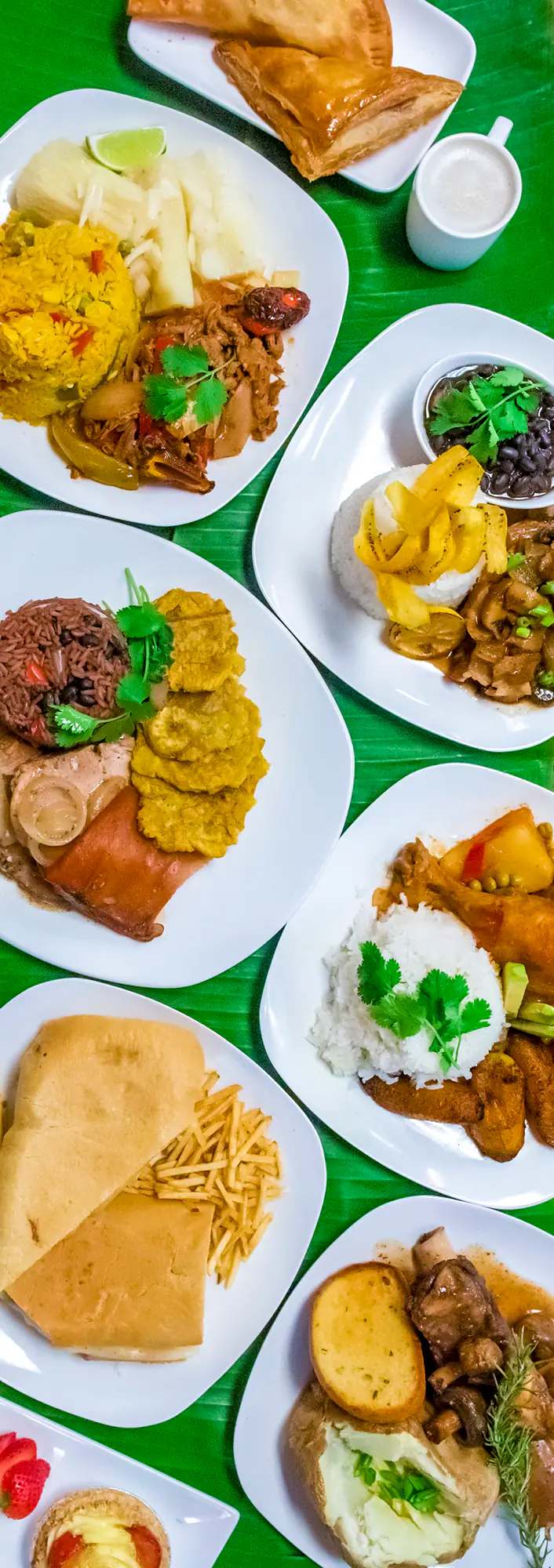
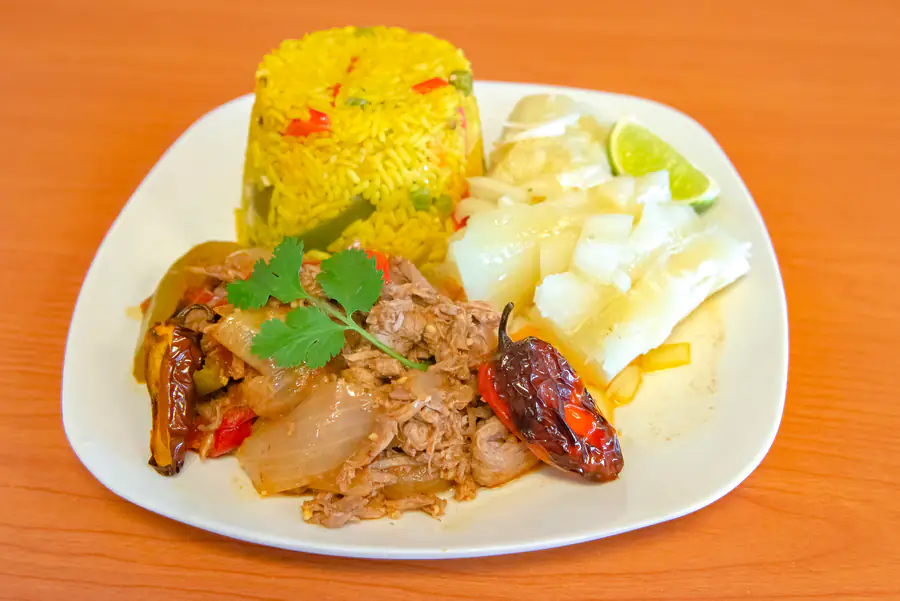
Aurora is not Miami, and that is exactly why finding great Cuban pastries here feels so satisfying. In a city better known for its broad mix of global food than for any one singular culinary identity, Cuban baking stands out when it is done well. It offers a different kind of sweetness, one that leans on butter, guava, cream cheese, coconut, puff pastry, and patient technique instead of flashy decoration. The best pieces are never just sugary. They are balanced, fragrant, and deeply comforting.
If you are walking into a Cuban bakery in Aurora CO for the first time, the pastry case can be deceptive. Nothing may look oversized or overly ornate. Many of the classics are modest in shape, pale gold rather than glossy, and filled with ingredients that sound familiar. But the difference between an average Cuban pastry and a memorable one is easy to taste. You notice it in the shattering top of a good pastelito, the slight tang that keeps guava and cheese from becoming cloying, and the soft crumb of a proper cake slice served alongside strong coffee.
Cuban pastry traditions carry Spanish, Caribbean, and immigrant influences, and in practice they are as much about ritual as flavor. People do not only buy these pastries for dessert. They buy them after church, before work, for office meetings, for birthdays, or simply because a box on the kitchen counter makes a weekday feel less rushed. In Aurora, where food scenes often overlap and evolve through neighborhoods rather than headlines, that kind of bakery culture matters. It turns a quick stop into a habit.
What makes Cuban pastries distinct
A lot of people expect Cuban pastries to be very rich, and many are, but the good ones are rarely heavy in a dull way. They usually aim for contrast. Crisp pastry against sticky fruit. Sweet fillings against salt or tang. Delicate sponge against dense custard. Texture carries as much weight as flavor.
Puff pastry is central to many favorites, especially the family of pastries known as pastelitos. These are often folded into rectangles, triangles, or slim rolls and baked until the layers separate into thin flakes. The fillings are straightforward, which means there is nowhere to hide. Guava has to taste like guava, not generic red jam. Cream cheese needs enough body to hold its own. Coconut has to stay moist. Even something as simple as sugar on top matters, because the right amount gives a slight crackle without turning the whole pastry into candy.
There is also a practical side to Cuban bakery culture that I have always appreciated. These pastries are built for real life. They travel well. They pair naturally with coffee. They can be bought by the dozen without requiring a special occasion. They work on a breakfast table just as well as on a dessert tray. That accessibility is part of their appeal, especially in a place like Aurora where people are often balancing long commutes, family routines, and a serious appetite for good food that does not ask for ceremony.
The pastries worth ordering first
If you are deciding where to begin, a handful of staples tell you almost everything you need to know about a bakery’s skill level.
- guava pastelitos
- guava and cheese pastelitos
- coconut pastries
- tres leches cake
- flan
Those five cover the essentials, and they reveal very different strengths. A bakery that handles all of them well usually understands balance, timing, and restraint.
Guava pastelitos, the benchmark pastry
If I had to judge a Cuban bakery from one bite, I would start with a guava pastelito. It sounds simple, and that is the point. A slender slab of guava paste or thick guava filling sits inside puff pastry that should bake into clean, distinct layers. The top may be brushed with syrup or dusted lightly with sugar, but the pastry should remain crisp enough that the first bite sends flakes onto the plate.
What matters most is proportion. Too much guava and the center turns gummy. Too little and you are left chewing mostly pastry. The best versions hit a middle ground where the fruit tastes concentrated and floral, almost jammy but not wet. Good guava carries a clear tropical aroma with a faint tartness underneath the sweetness. When that brightness is present, the pastry feels lively rather than dense.
In Aurora’s dry climate, pastry can go stale faster than people expect, especially in display cases. That is why freshness matters even more here than in humid coastal cities. A guava pastelito that came out of the oven that morning should still have lift in the layers and a gentle snap on the edges. By late afternoon, even a good one may soften. If you care about texture, go earlier in the day.
Guava and cheese, the pastry that converts skeptics
For many people, guava and cheese is the pastry that makes everything click. On paper it can sound odd, especially if you did not grow up with fruit and cheese paired together in pastries. In practice, it is one of the smartest combinations in bakery culture. Sweet guava on its own can be assertive. Add cream cheese or a similar soft cheese, and suddenly the flavor widens. You get sweetness, tang, richness, and a little salt in the same bite.
A well-made guava and cheese pastelito should not ooze uncontrollably. The filling needs enough structure to stay inside the pastry while still feeling creamy. The cheese should taste fresh, not chalky or overly dense. When it is done right, the guava and cheese meet in the center and soften each other’s edges. It is the pastry I recommend to people who claim they do not like fruity desserts, because it behaves less like a fruit turnover and more like a balanced pastry with real depth.
This pairing also tends to show whether a bakery understands restraint. Some shops overload the filling because generous portions look appealing in the case. But overfilled pastries often steam from the inside, leaving the bottom limp. With guava and cheese, a moderate hand usually makes the better product.
Coconut pastries and the importance of moisture
Coconut pastries rarely get the same attention as guava, but they deserve it. In Cuban baking, coconut can appear in several forms. Sometimes it is tucked into pastry as a sweet filling. Sometimes it shows up in bars or cakes with a denser crumb. However it appears, the challenge is always the same: keeping it moist without making it greasy or overly sweet.
A strong coconut pastry tastes toasty and fragrant, not just sugary. The coconut should still have texture. It should not https://martinaxkg691.sagecurrent.com/posts/cuban-bakery-aurora-co-a-delicious-blend-of-culture-and-craft dissolve into paste. I look for a filling that feels lush but not wet, and for pastry around it that holds shape instead of collapsing under the weight. If the top is glazed, the glaze should add shine and a little sweetness rather than covering up dryness.
Coconut is one of those flavors that can drift into sameness if the bakery relies too heavily on sugar. The better versions let the natural nuttiness come through. They are especially good with coffee because the bitterness of the coffee sharpens the coconut aroma and keeps the whole thing from feeling one-note.
Tres leches, when a cake earns its popularity
Tres leches is widespread across Latin American bakeries, not exclusively Cuban, but in a Cuban bakery setting it often becomes part of the regular dessert conversation. It is also one of the easiest items to get wrong. People talk about moist cake as if more is always better. With tres leches, that logic fails quickly. Once the sponge is oversoaked, you lose the cake entirely and end up with a sweet dairy sponge that collapses on the fork.
A good slice of tres leches should hold together. You should be able to cut into it cleanly and lift a forkful without the base disintegrating. The crumb needs to absorb the milk mixture while still retaining some spring. Sweetness should be present, of course, but the best versions are not sticky or gluey. They taste of vanilla, milk, and light caramel notes, often with a cap of whipped cream that is airy rather than heavy.
This is a pastry case item where timing matters. Freshly soaked cake can be uneven. Cake that has sat too long can become dense and cold in the wrong way. If you are ordering slices to take home, ask which cakes were finished most recently. That small question often tells you a lot about how carefully the bakery manages inventory.
Flan, quiet but revealing
Flan is not flashy. It never has been. Yet it remains one of the best tests of technical discipline in any Latin bakery. Eggs, milk, sugar, vanilla, caramel. That is the broad outline. The margin for error is still narrow.
The best flan has a silky texture with just enough firmness to stand neatly when sliced. It should wobble, not slump. The caramel needs to taste deep and slightly bitter around the edges, because that bitterness keeps the custard from becoming bland. A pale caramel usually means a timid flavor. An excessively dark one can read burnt. The target is somewhere in the middle, where the caramel brings complexity instead of blunt sweetness.
Temperature matters here too. Flan served too cold loses aroma. Served too warm, it can feel eggy and loose. A properly chilled slice, allowed to sit for a couple of minutes before eating, gives you the cleanest read on texture and flavor.
How to order like someone who knows what they are doing
There is no need to overthink a bakery visit, but a little strategy improves the experience. Cuban pastries are at their best when you treat them as fresh bakery items, not shelf-stable sweets.
- Go in the morning if texture matters to you.
- Buy a mix of fruit, dairy, and custard items instead of six of the same thing.
- Pair sweeter pastries with coffee, especially espresso or café con leche.
- Ask what came out most recently if the case looks full late in the day.
- Reheat puff pastries briefly at home to restore the outer layers.
That last point is worth emphasizing. Many people assume reheating pastry ruins it. Gentle reheating does the opposite when the item is only a few hours old. A short stint in a toaster oven or regular oven can revive flake and aroma. The microwave, on the other hand, is usually the fastest route to a soft, disappointing shell.
What to look for in a Cuban bakery in Aurora CO
Because Aurora has such a broad food landscape, quality can vary from shop to shop, and not every bakery labeled Latin or Caribbean will approach Cuban pastry in the same way. When I walk into a Cuban bakery in Aurora CO, I pay less attention to the size of the pastry case than to a few practical signs.
First is turnover. A smaller display that is being refreshed during the morning often produces better pastries than an enormous case packed at opening and left to sit. Second is aroma. You should smell butter, baked sugar, coffee, maybe guava or vanilla, not just refrigeration and sweetness. Third is the condition of the pastry itself. If every item has already lost definition, with sagging layers and syrup pooling onto trays, the textures are probably past their peak.
Service also matters more than people admit. Good bakery counters are often busy, and the staff usually know which items regulars come back for. Ask a narrow question and you often get a better answer. “Which pastry has the best texture right now?” is more useful than “What is good?” The first invites an informed recommendation. The second usually gets a polite gesture toward the whole case.
Aurora’s altitude can affect baking, especially with cakes, custards, and laminated doughs. You do not need to turn a pastry run into a science lesson, but it helps to understand why some shops may excel at certain items and struggle with others. Puff pastry can dry out more quickly. Cakes can lose tenderness if formulas are not adjusted carefully. Cream-based fillings may hold differently than they would at sea level. A bakery that consistently turns out balanced pastries in these conditions is doing real work behind the scenes.
Coffee is not optional, it is part of the experience
It is possible to eat Cuban pastries on their own, but they make the most sense with coffee. Not because anyone is trying to be traditional for tradition’s sake, but because the pairing solves a practical problem. Many of these pastries are rich enough to benefit from bitterness and heat. Coffee cuts through butter and sugar, wakes up fruit flavors, and sharpens custard.
A tiny cup of strong Cuban-style coffee changes the pace of eating. Instead of tearing through two pastries back to back, you take a sip, then a bite, then another sip. Guava tastes brighter. Cheese fillings taste less dense. Coconut seems more aromatic. Even flan, which can read very sweet when eaten alone, feels more balanced after coffee.
If you prefer milkier drinks, café con leche works beautifully with drier pastries and plain puff-based items. Straight espresso, or something close to it, is excellent with sweeter cakes. The combination is not complicated, but it is one of the reasons these pastries feel so hospitable. They are built for a table, even if the table is just a car seat before work.
Choosing pastries for different situations
Not every pastry suits every occasion. That is something regular bakery customers learn quickly. If you are bringing a box to an office, sturdy puff pastries tend to travel best. Guava and guava-cheese pastelitos can sit at room temperature for a while without losing their appeal. Custards and milk-soaked cakes are better when you know they will be eaten soon after purchase.
For a family breakfast, variety wins. One fruit pastry, one creamy option, one coconut item, perhaps a cake slice to share. That spread gives people enough contrast without overwhelming the table. For a dinner dessert, I usually lean toward flan or a clean slice of tres leches, because they plate more neatly and feel more intentional after a meal.
If you are trying to win over someone new to Cuban pastries, start with guava and cheese. It is familiar enough to feel accessible and distinctive enough to be memorable. Pure guava can be a stronger first impression, especially for people who are not used to tropical fruit pastes. Coconut is ideal for those who already know they enjoy that flavor and want something a little less obvious.
The small details that separate excellent from merely good
Once you have eaten enough pastries, the distinctions become clearer. Excellent pastelitos have visible layers that break apart rather than compress. Their bottoms are baked through. The filling stays in place but does not feel stiff. Sugar on top enhances rather than dominates. The aroma is buttery and clean.
Excellent tres leches tastes like cake first and sweet milk second. Excellent flan tastes of caramelized sugar and vanilla, not just chilled custard. Excellent coconut pastries carry a fresh coconut fragrance instead of a generic candy sweetness.
There is also an intangible quality that matters. The best bakery pastries feel cared for, not industrially assembled. The folds are not identical. The glaze may be slightly uneven. The edges brown a little differently from one pastry to the next. Those details are not flaws. They are often clues that someone in the kitchen is working with dough and fillings as food, not as a standardized prop.
That matters in Aurora, where diners have no shortage of excellent options across many cuisines. A bakery does not earn loyalty here by being merely decent. It earns loyalty by making people reroute their morning, add an extra stop to an errand run, or bring a box to a gathering because they know it will disappear quickly.
Why these pastries keep people coming back
There is a reason Cuban pastries inspire regulars instead of one-time curiosity. They fit into everyday life with unusual ease. They can be breakfast, a coffee break, a host gift, a meeting tray, or a quiet treat eaten standing at the counter. They feel generous without being extravagant. They satisfy a sweet tooth without needing elaborate decoration or novelty.
For anyone exploring the bakery scene in Aurora, they also offer a useful reminder that some of the best food experiences are not the loudest ones. A perfect guava pastelito is not trying to impress you with scale or trendiness. It succeeds through judgment: enough filling, enough flake, enough sweetness, enough freshness. That kind of precision is harder to pull off than it looks.
So if you are standing in front of a pastry case and wondering where to start, trust the classics. Order the guava. Add one with cheese. Try the coconut if it looks fresh. Take home a slice of tres leches or flan if you want to see the bakery’s softer side. Then pour a strong coffee and give the pastries the attention they deserve. In a good Cuban bakery, even the simplest item can tell you a great deal.
Cuba Bakery & Café
15028 E Mississippi Ave, Aurora, CO 80012
+1 303-752-2822
FAQ About Cuban bakery Aurora CO
What are Cuban pastries called?
Many small Cuban pastries are called pastelitos. They can have sweet or savory fillings, such as guava, cheese, guava and cheese, or seasoned meat. Cuba Bakery & Café lists guava, cheese, guava-and-cheese and beef pastries on its menu. Ask the bakery about current availability and ingredients when ordering.
What are traditional Cuban pastries?
Common Cuban bakery choices include flaky pastelitos filled with guava, cheese or meat. Cuban bakeries may also offer empanadas, breads and desserts alongside coffee. Cuba Bakery & Café lists pastelitos, several empanada fillings, pan Cubano and desserts such as tres leches and bread pudding. Selection can vary, so confirm the day's choices with the bakery.
What makes Cuban bread different?
Cuban bread is known for its light interior and a thin crust that becomes crisp when toasted or pressed. Traditional recipes often use lard, although ingredients vary by baker. It is commonly served as buttered toast or used for Cuban sandwiches. Cuba Bakery & Café lists pan Cubano and tostada on its menu; ask staff about the ingredients in their bread if you have dietary restrictions.
Ends · MARCOHHKB123